
Product Description of Keratin CAS#68238-35-7
Keratin is one kind of fibrous protein generated from animal epithelial cells. It acts as the major structural constituent for hair, plumage, animal horns, fingernails, hooves and silk biomaterials and delivers essential shielding effects for living-body tissues.
This protein can be sorted into two primary categories. Alpha-keratin exists inside hair, horns, nails and hooves and carries abundant cystine in its molecular framework. Beta-keratin including silk fibroin barely contains cystine and cysteine; its chemical composition is dominated by glycine, alanine and serine.
Abundant disulfide linkages grant keratin outstanding chemical stability. It cannot dissolve in water, saline liquid, weak acid and weak alkali solvents under regular surroundings, yet it achieves solubility within inorganic sulfide solutions. The leather-making sector applies this characteristic during hide depilation treatment.Textile manufacturing heavily relies on wool and silk made up of keratin-rich protein. Silk fibre contains 70-75 percent of insoluble fibroin.
Keratin Chemical Properties
| density | 1.00 g/mL at 20 °C |
| storage temp. | 2-8°C |
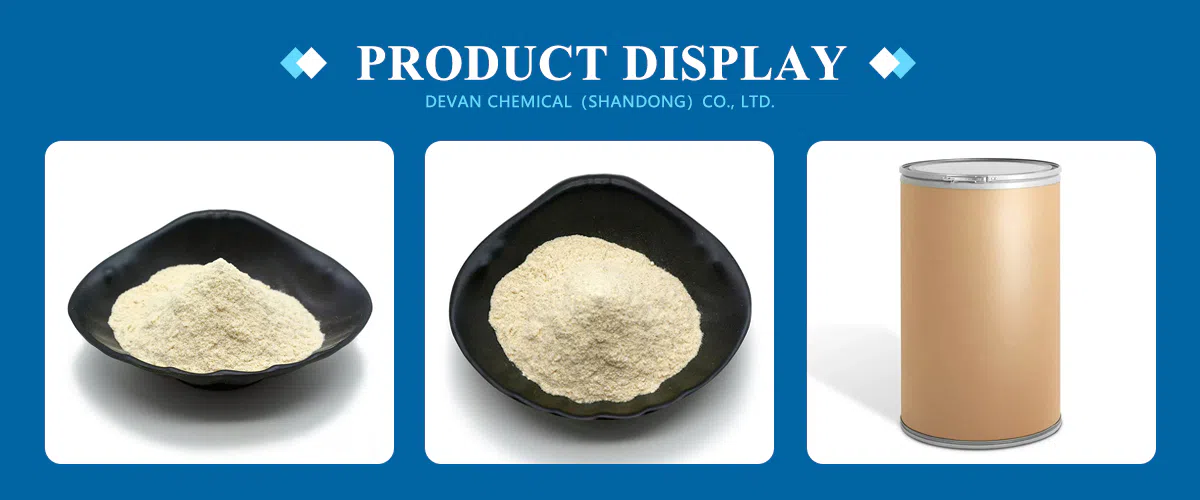
| form | Fine powder |
| Color | Off-white to light beige to yellow |
| Odor | Characteristic, slight |
| CAS DataBase Reference | 68238-35-7 |
| EPA Substance Registry System | Keratins (68238-35-7) |
| Hazard Codes | Xn,B |
| Risk Statements | 22-52/53 |
| Safety Statements | 24/25-61 |
| WGK Germany | 3 |

Product Application of Keratin CAS#68238-35-7
Keratin carries unique short-chain peptide fragments capable of facilitating cell attachment. Thanks to such functional traits, biomaterials derived from keratin possess great market prospect within the biomedical industry.
This natural protein serves as a versatile raw material for making biological thin films, food additives, skincare commodities, porous injectable hydrogels and sustained-release drug carriers. With favourable biological compatibility and degradable performance, keratin is able to sustain cell adhesion and growth. It can therefore be manufactured into multiple biomaterial goods for broad deployment in biomedicine and associated industrial sectors.